Cary has no shortage of people who will sell you training. It has a real shortage of ways to tell them apart before your money is committed. The good news: a handful of questions separates professionals from enthusiasts fast, and the warning signs are consistent. Here is how to vet a personal trainer in Cary, what the credentials actually mean, and how to test the fit before you sign anything. We run a training studio, so we have a horse in this race; the checklist below is the one we would hand a family member anyway, and it applies to us too.
Start with certifications, but read them right
A legitimate trainer holds a current certification accredited by the NCCA, the same body that accredits credentials in nursing and other licensed fields. The names you will see most are NASM, ACSM, NSCA, and ACE. Degrees in exercise science or kinesiology are a plus, and current CPR/AED certification is table stakes.
What the certification tells you is that the floor exists: this person studied anatomy, programming, and safety, and passed a proctored exam. What it does not tell you is whether they can coach. Certifications are a screen, not a ranking, so a trainer with the fanciest acronym is not automatically better than one with a plainer card and ten years of clients who stayed.
Experience with people like you
A trainer who mostly preps 24-year-old physique competitors is the wrong hire for a 52-year-old with a desk job and a cranky shoulder, no matter how good their own lifts look on Instagram.
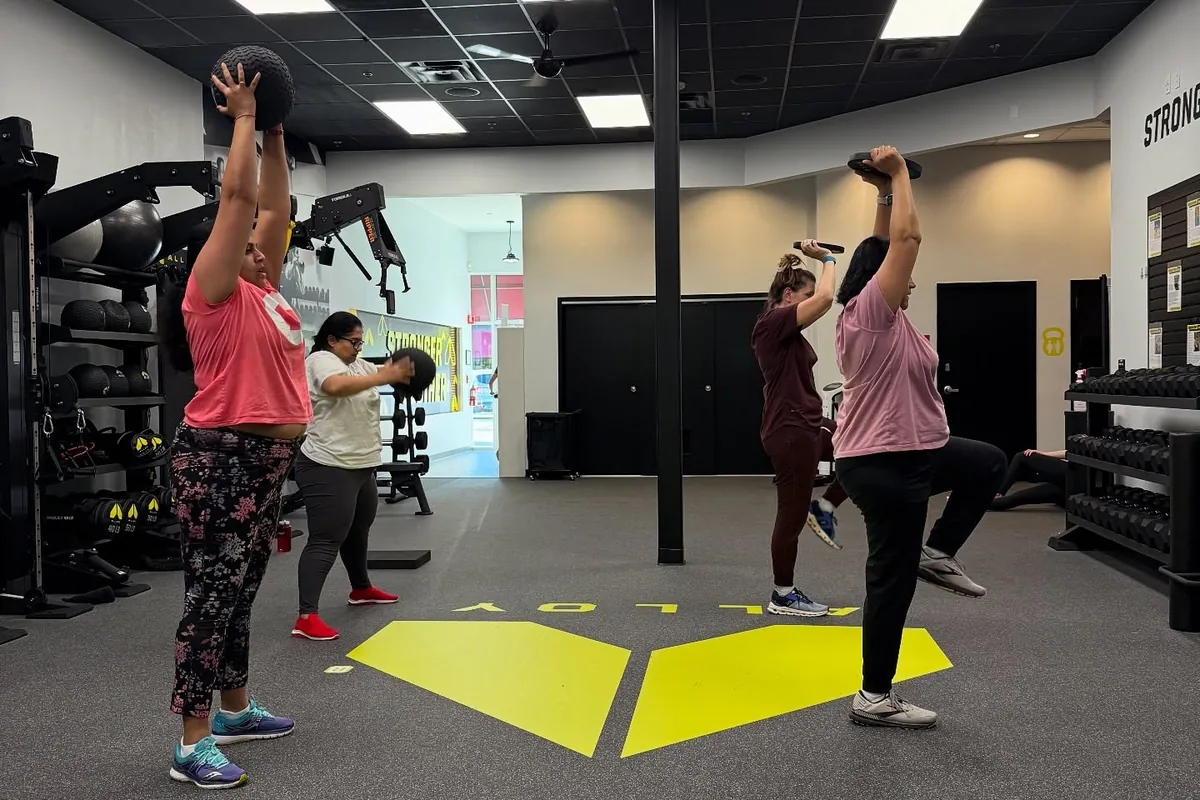
Ask directly: who do you mostly train? If you are over 30 with some mileage on your joints, you want someone whose daily work is adults over 30 with some mileage on their joints. At our studio that is the entire practice, and our coaching staff is led by a Director of Training; you can read the team's backgrounds on our team page. Whoever you are evaluating, their answer should sound like your life, not like a transformation reel.
The questions that reveal a professional
Five questions do most of the vetting work:
What happens in the first session? The right answer involves an assessment: movement, strength, history, goals. If day one is a random hard workout, keep looking. We covered why assessment comes first in our post on the functional movement assessment.
Who writes my program, and is it actually mine? You want programming built around your body and goals, progressed deliberately, and written down. "We do whatever I feel like that day" is a red flag dressed as spontaneity.
How will we measure progress? Acceptable answers: tracked loads, reps, assessments, body-composition scans. Unacceptable: the mirror and good vibes.
What happens between sessions? Nutrition guidance, accountability check-ins, and a plan for the other 165 hours of your week separate coaching from supervised exercise.
What does it cost, and where is that written? Pricing that hides until a high-pressure consultation is a tactic, not an oversight. We publish ours on a public pricing page, and we think everyone should. For market context, our breakdown of personal trainer cost in Cary, NC covers typical Triangle rates.
Red flags that should end the conversation
Some patterns reliably predict a bad experience: no assessment before hard training. Everyone in their care doing the same workout regardless of age or history. Pain treated as proof of effort. Guaranteed pounds-by-date promises, which no honest professional makes. Long contracts you cannot test first. Supplement sales woven into the coaching. And pressure, in any form, at the first meeting.
None of those make someone a bad person. They make them the wrong steward of your spine and your money.
One-on-one, small group, or online
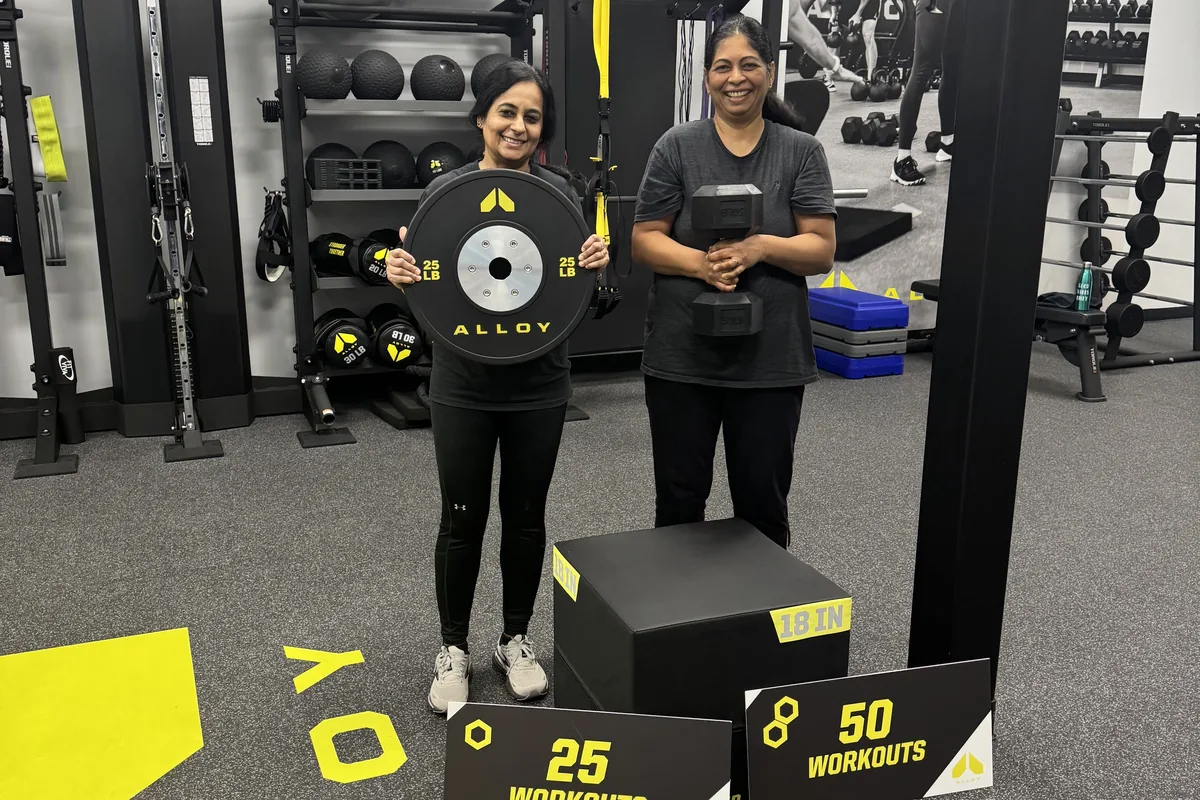
Format matters as much as the person. One-on-one buys maximum attention per minute at the highest price. Online coaching is cheapest and leaves technique and accountability mostly on you. Small group personal training sits between: your own program, a coach on the floor correcting your sets, a few other people training beside you, and a per-session cost that makes two or three sessions a week sustainable.
The research mostly rewards having a coach present at all. In a 2025 randomized trial, lifters training under in-person supervision held 88 percent adherence over ten weeks against 52 percent for the self-guided group, and gained more strength. Which format delivers that supervision is a budget and personality question.
Test the fit before you commit
Whatever you are considering, do not sign anything until you have been coached by that person once. Watch for three things: did they ask about your history before loading you, did they correct your form specifically rather than cheerleading, and did you leave with a clear picture of what the next month would look like?
Any trainer worth hiring offers a low-stakes way in: a trial session, a consultation, an assessment. Ours is the complimentary Starting Point Session, which is a full assessment, an InBody scan, and a written plan, with no obligation. Whoever you choose in Cary, insist on the equivalent.